 Windows
 French Doors
 Patio Doors
 Front Doors
 Roller Shutters
 Window Sills
 Windows
French Doors
Patio Doors
Front Doors
Roller Shutters
Window Sills
Windows
French Doors
Patio Doors
Front Doors
Roller Shutters
Window Sills
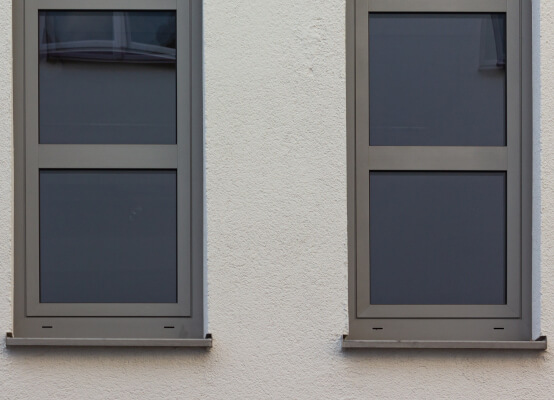
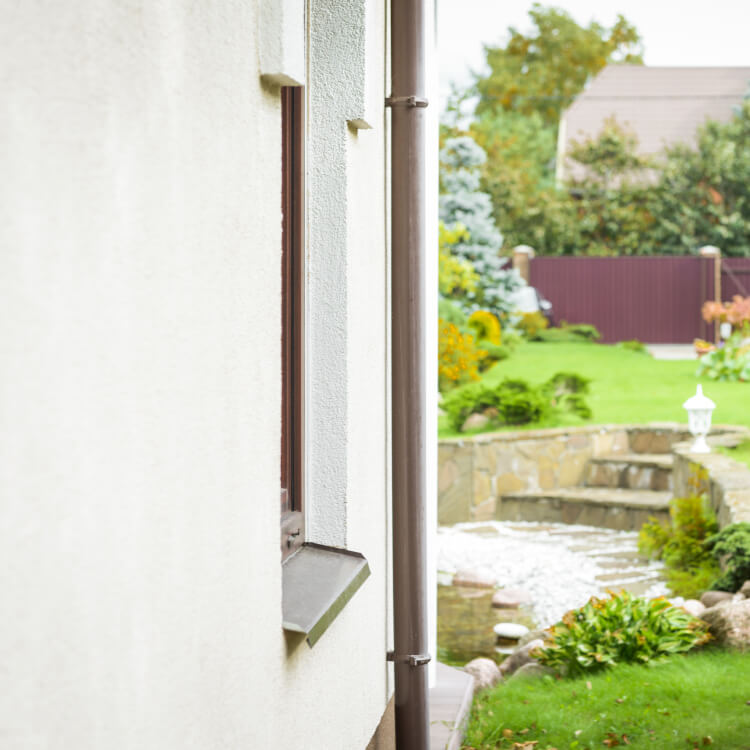
Window sill side finishes are essential items, and particularly so when it comes to the exterior of your home. While a simple facing is sufficient for an interior setting, a side finish fulfils important functional duties outside.
In addition to protecting the facade from run-off water, it also prevents cracks in the rendering and damage to insulated facades. Side finishes also contribute to the overall aesthetic appearance of the areas between windows, walls and window sills.
You can configure side finishes for your window sills directly online at windows24.com.
The side finishes for window sills are placed outside on the right and left, along the edge of the facade. It acts as a transition between the window sill and the adjacent wall. The component essentially fulfils two functions. First of all, it acts as a harmonious transition that's cohesive from a visual perspective - and it simply looks better. However, the functional aspect is more important: a side finish prevents water and moisture from running off the side and causing damage to the facade.
This is also where the essential difference between the end edges of a window sill lies on the inside. The side finish resists the effects of weather, while the purpose is purely visual on the inside. Here the cut edge is blended along the edge, which creates an attractive finish.
Window sill ends are available in four different variants. The choice depends primarily on the nature of the facade. Plaster facades, clinker or stone facades and ETICS facades have different requirements with regard to this. In most cases, aluminium is used as the material of choice, becaus outside window sills are usually made of aluminium. This material is particularly resistant to the elements, especially moisture and UV radiation. Reliable resistance against mechanical deformation is courtesy of the alloy AlMg1, which increases the titanium and magnesium content and is commonly used in the construction industry. Window finish variants include:
In addition to aluminium, sliding finishes
are also available in uPVC. Moreover, sliding finishes offer expansion equalisation, which is where this idea of sliding comes from. This equalisation is particularly worthwhile for plastered facades.
The reason for sliding finishes is that the aluminium used in window sills can expand or contract slightly due to the difference in temperature between summer and winter. This fluctuation can potentially cause cracks in the facade.
Sliding finishes serve as dampers. This is particularly crucial for external thermal insulation composite system facades in order to protect the insulation from damage, since even minor damage has a significant impact on the insulating effect.
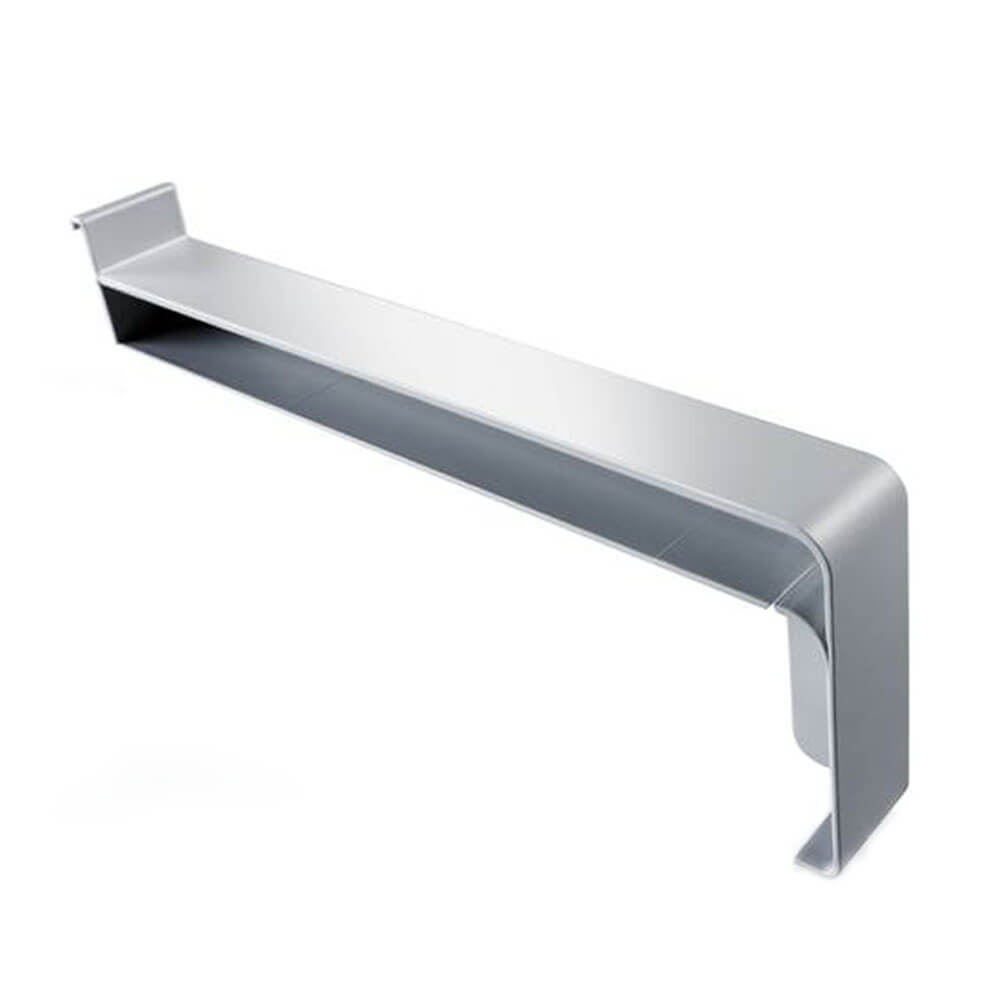
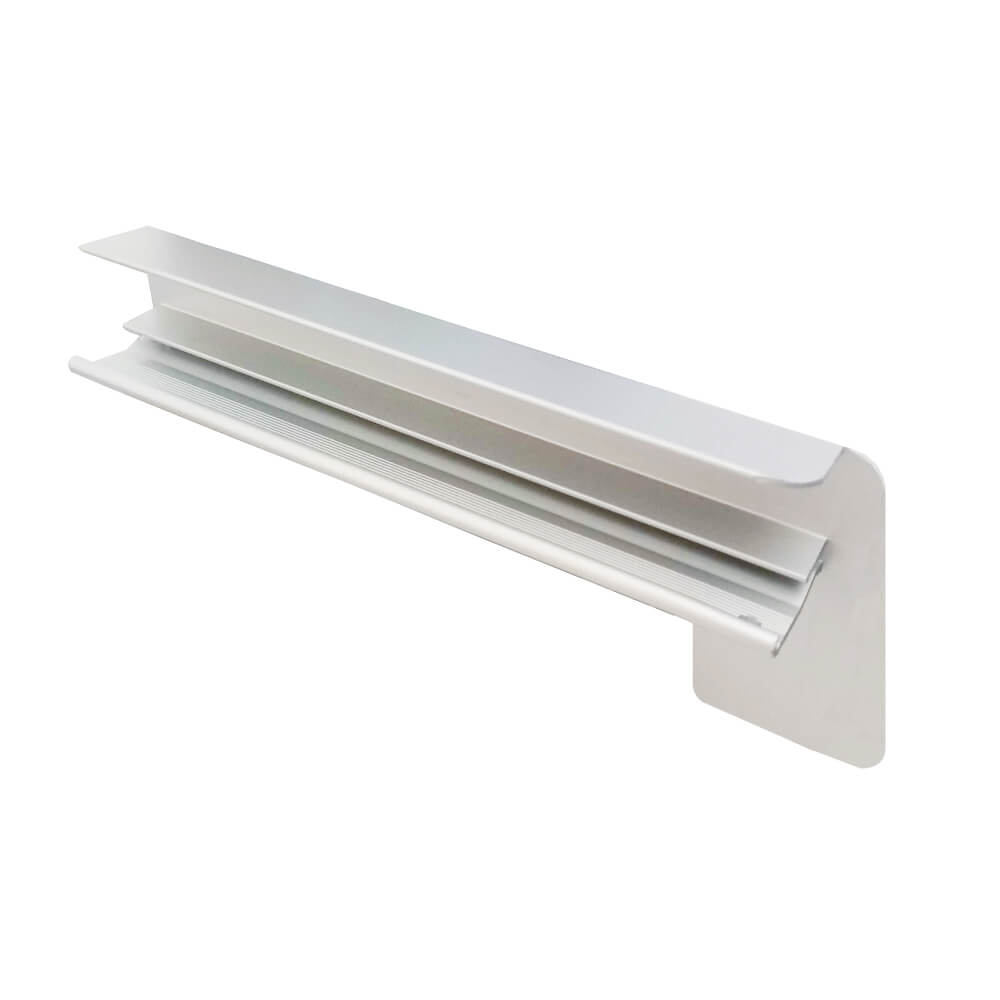
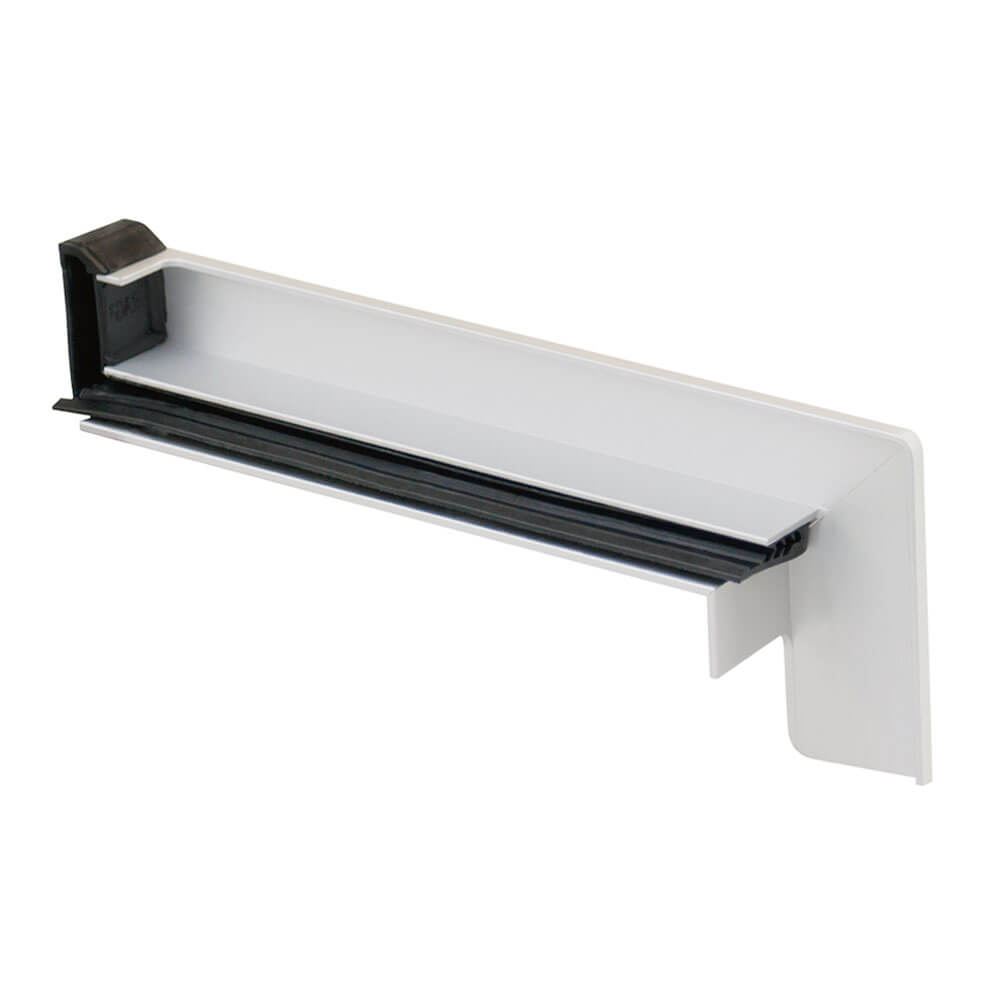
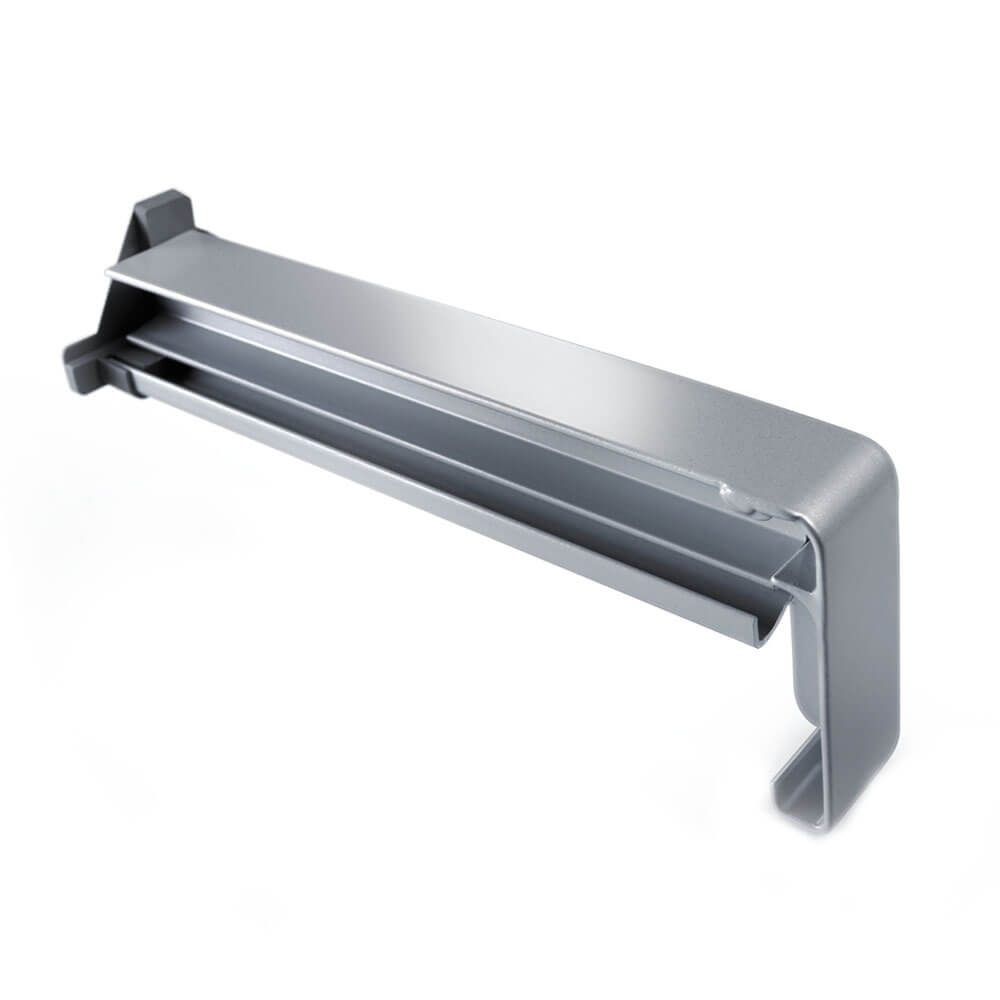
With an aluminium window sill, the side finish is important because it serves several purposes at the same time. This includes:
In order to sufficiently meet these requirements, a few things must be taken into account when measuring: first, careful measurement is crucial. The dimensions on both side finishes must be taken into account. The windows24.com configurator does this automatically. So you don't have to calculate individual items; simply enter the total length of the window sill. The system includes the respective finishes in this overall length.
The expansion equalisation for sliding finishes is 3 mm. This is enough to compensate for the natural fluctuation which can occur at different temperatures of aluminium material. This is particularly important if the window sills are on the sunny side, because the temperature differences during the frigid winter are significantly higher on the north side, for example, due to the window heating up from direct sunlight.